

Writing content that people actually read from start to finish has become harder than ever. Attention spans are short, competition is intense, and readers decide within seconds whether a page deserves their time. This is why content writing tips remain one of the most searched topics among bloggers, marketers, freelancers, and business owners.
Strong writing today is not about sounding clever or filling pages with words. It is about clarity, intent, and relevance. Readers want answers, guidance, and reassurance that the content understands their problem. Search engines follow the same direction by rewarding pages that serve real users instead of chasing formulas.
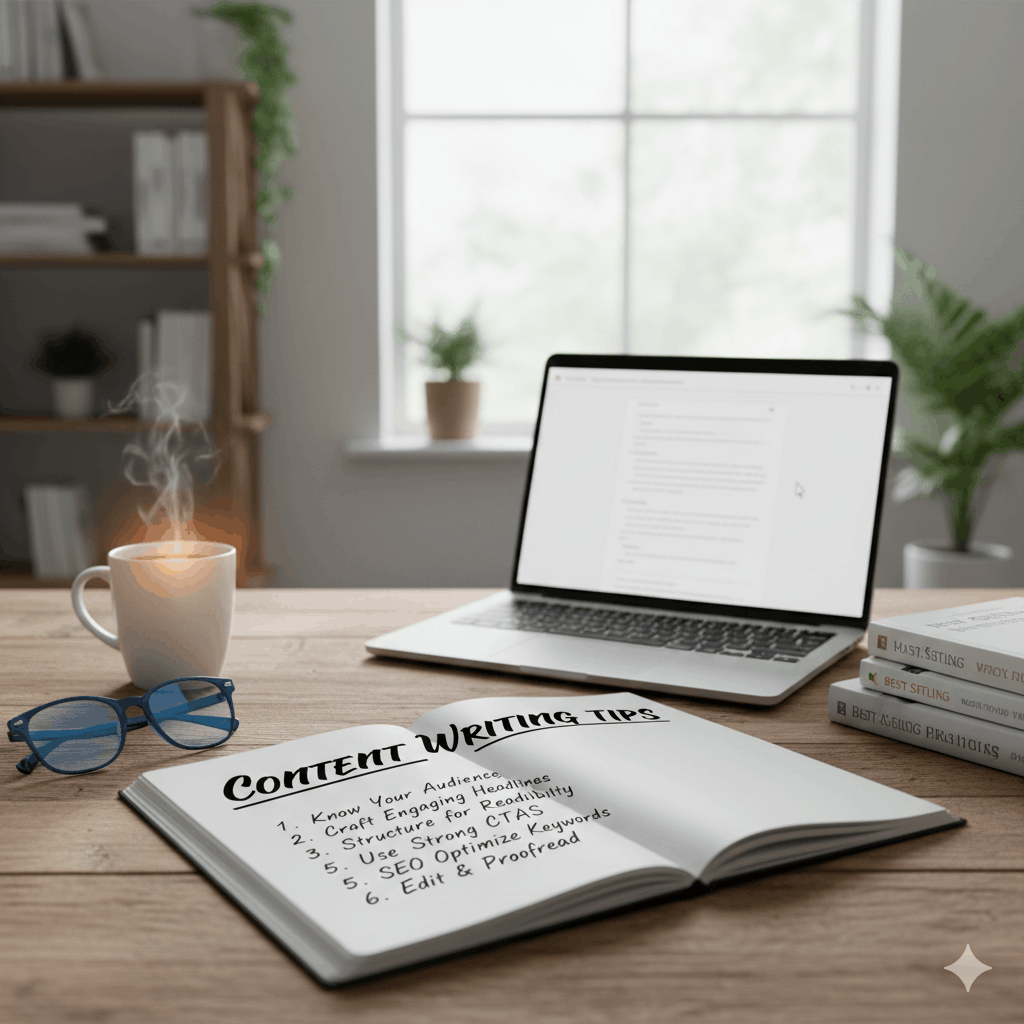
This guide focuses on content writing tips that help you hold attention, improve readability, and support steady growth over time. It applies to blog posts, website pages, long-form articles, and commercial content. Whether you are new to writing or refining your process, the sections ahead focus on techniques that work in real publishing environments.
Why Readers Leave Pages So Quickly
Before improving writing, it helps to understand why people abandon content. Most pages fail not because the topic is wrong, but because the writing does not respect how people read online.
Readers skim before they commit. They scan headings, glance at paragraph length, and look for signals that the page understands their intent. When content feels vague, repetitive, or overly dense, attention fades fast.
Another common issue is unclear purpose. When readers cannot tell what they will gain after a few paragraphs, they move on. Content writing tips that focus on structure and intent solve this problem by guiding readers smoothly from one idea to the next.
Good writing does not force attention. It earns it through clarity, flow, and relevance.
Writing With a Clear Goal From the First Paragraph
Every effective piece of content starts with a defined goal. Without it, writing becomes scattered, and readers feel it immediately.
Some pages aim to explain a topic. Others guide decisions or support conversions. Blog content writing tips differ slightly from writing for landing pages, yet both rely on focus. When the goal is clear, every paragraph serves a reason.
Ask yourself before writing:
- What problem is this page solving?
- Who is the reader at this moment?
- What should the reader understand or feel by the end?
When the purpose stays consistent, the content feels confident and easy to follow. This is one of the most overlooked content writing techniques, yet it shapes the entire experience.
Understanding Reader Intent Before Writing
Strong writing begins before the first sentence is typed. Reader intent shapes tone, depth, and structure.
Someone searching for beginner guidance needs clarity and patience. Someone comparing options expects detail and reassurance. Writing that ignores intent often feels mismatched, even if the information is accurate.
Content writing tips for SEO often mention intent because search engines now evaluate how well a page answers the reason behind a query. Writing that respects intent performs better and feels more natural to readers.
Matching intent does not require guesswork. Look at what questions readers ask, what problems they face, and what stage they are in. When content meets them at the right level, engagement follows naturally.
Creating Introductions That Earn Attention
Introductions decide whether readers stay or leave. A strong opening does not need drama or exaggeration. It needs relevance.
Effective introductions do three things:
- Acknowledge the reader’s situation
- Clarify what the content will address
- Set expectations without overpromising
Avoid vague openings that circle around the topic. Readers want direction early. When the introduction signals value clearly, the rest of the content receives more patience.
Content writing tips for beginners often emphasize introductions because they frame everything that follows. A focused opening guides the reader into the structure ahead.
Structuring Content for Natural Flow
Structure is not decoration. It is how readers make sense of information.
Clear sections, logical progression, and balanced paragraph length help readers stay oriented. When ideas jump without warning, attention breaks. When paragraphs stretch too long, fatigue sets in.
Strong structure allows readers to skim while still understanding the message. This supports both engagement and search visibility.
Good content writing strategies rely on:
- Clear section topics
- Smooth transitions between ideas
- Paragraphs that stay focused on one point
Structure gives writing rhythm. Without it, even valuable insights get ignored.
Writing Paragraphs That Feel Easy to Read
Online writing works best when it feels light without being shallow. Long sentences and packed paragraphs slow readers down.
Effective content writing tips for readability encourage:
- Shorter sentences
- Clear wording
- Simple transitions
This does not mean oversimplifying ideas. It means presenting them cleanly. Readers appreciate writing that respects their time and effort.
Each paragraph should introduce one idea, explain it, and then move forward. When paragraphs try to do too much, readers lose track.
Tone and Voice: Sounding Human Without Trying Too Hard
Tone influences trust. Writing that feels stiff or forced creates distance, while writing that sounds careless reduces credibility.
A steady, conversational tone works well for most blog and website content. It allows authority without stiffness. Content writing tips for businesses and freelancers often stress tone because it shapes brand perception.
Consistency matters more than personality. When tone shifts randomly, readers feel unsettled. Decide early how formal or relaxed the writing should be and maintain it across the page.
Human writing is clear, direct, and respectful. It avoids exaggeration and empty phrases.
Headings That Guide Instead of Confuse
Headings act as signposts. Readers rely on them to decide where to pause, skip, or continue.
Effective headings:
- Describe the section clearly
- Match the content underneath
- Avoid vague wording
Content writing tips for headlines apply not only to titles but also to section headings. Clear headings improve flow and help readers regain context when skimming.
Search engines also rely on headings to understand structure. When headings reflect real content instead of filler, the page feels organized and purposeful.
Using Examples Without Overloading the Page
Examples clarify ideas, yet too many can distract. The goal is support, not clutter.
Choose examples that feel realistic and relatable. One well-chosen example often does more work than several shallow ones. This approach suits long-form content writing tips where depth matters.
Examples should explain, not interrupt. When they blend naturally into the paragraph, readers stay engaged without losing momentum.
Early SEO Alignment Without Breaking Flow
SEO does not belong at the end of the writing process. It fits best when considered early, then allowed to fade into the background.
Content writing tips for SEO emphasize:
- Natural keyword placement
- Topic relevance
- Logical structure
Keywords should support clarity, not replace it. When writing feels forced, readers notice before search engines do.
Pages that rank well often read smoothly because they focus on answering questions clearly. SEO alignment works best when it serves readers first.
Setting Expectations for the Rest of the Article
At this point in the article, readers should feel confident that continuing will be worth their time. The foundation is set: clarity, intent, structure, and tone.
The next sections will focus on:
- Engagement techniques
- SEO-focused writing methods
- Authority and long-form content
- Conversion-oriented writing
Each builds on the principles introduced so far, keeping the focus on practical content writing tips that support real results.
Techniques to Keep Readers Engaged
Keeping readers engaged is both an art and a methodical process. Attention spans are limited, and even compelling topics can lose readers if presented poorly. The following techniques focus on clarity, flow, and practical appeal.
Storytelling Without Overcomplication
Stories connect readers emotionally, but they should serve the content’s purpose. Use anecdotes that illustrate a point, not long detours. Even short narratives can make explanations memorable.
For example, explaining keyword research through a simple scenario helps readers grasp the steps while keeping them interested. Storytelling in content writing tips is particularly effective for beginners and bloggers who aim to build rapport with their audience.
Interactive Elements in Writing
While traditional text is effective, elements like rhetorical questions, prompts, and lists that naturally break content improve engagement. They encourage readers to think about their own situation, which increases the time spent on a page.
For instance, asking “Have you ever struggled to write an introduction that holds attention?” prompts reflection and aligns readers with the article’s goals.
Layered Information
Present information in layers: start with the key point, follow with supporting details, and conclude with actionable advice. This method works well for readers who skim and those who read in depth. Layered content aligns with professional
tips for websites, blogs, and digital marketing.
SEO-Focused Writing for Readers and Search Engines
SEO should support writing, not dictate it. Properly integrating SEO ensures that content reaches the right audience while maintaining readability.
Keyword Placement and Natural Integration
Use keywords organically in headings, subheadings, and body text. Avoid overstuffing, which disrupts flow. For example, phrases like content writing tips, content writing techniques, and content writing strategies can appear in various sections naturally without repetition.
Semantic and Related Keywords
Search engines favor contextually rich content. Include semantic variations and long-tail phrases such as content writing tips for engagement, content writing tips for readability, and content writing tips for conversions. These phrases strengthen relevance without sounding repetitive.
Balancing Readability and Optimization
Aim for concise sentences and clear structure while subtly integrating keywords. Tools like readability checkers can guide sentence length, while analytics can identify keywords that resonate with readers.
Structuring Long-Form Content
Long-form content allows depth but risks losing reader attention. A thoughtful structure keeps readers engaged while improving search visibility.
Clear Sections With Subheadings
Break content into digestible sections with descriptive subheadings. Each section should cover a specific topic, such as blog content writing tips, content writing tips for SEO, or content writing tips for conversions.
Consistent Flow Between Sections
Transitions are subtle but crucial. Connect sections logically so readers move from one idea to the next effortlessly. For example, after discussing engagement techniques, transition to SEO by explaining how user-focused content improves search performance.
Visual Cues
Even without images, formatting such as bullet points for lists, block quotes, or short examples can make sections visually accessible. This technique is part of content writing tips for user experience.
Content Authority and Evergreen Value
Establishing authority is vital for content that endures. Authority comes from clear explanations, credible insights, and practical advice.
Evidence-Based Writing
Support statements with facts, case studies, or statistics. For example, mentioning trends in organic traffic growth reinforces points about SEO-focused writing. While not linking to sources, refer to general findings or industry observations.
Evergreen Content
Focus on principles and practices that remain relevant over time. Long-lasting advice like content writing tips for clarity, content writing tips for readability, and content writing tips for structure ensures your work continues to attract readers and maintain search relevance.
Topical Authority
Cover multiple related subtopics in one comprehensive guide. Combining content writing tips for beginners, professional content writing tips, and advanced content writing tips in one piece signals expertise to both readers and search engines.
Enhancing Conversions Through Writing
Effective content doesn’t just inform; it persuades. Conversion-oriented content writing tips focus on user intent and actionable advice.
Writing With Purpose
Every paragraph should lead readers toward an outcome, whether signing up for a newsletter, exploring a service, or understanding a concept. Clear explanations, layered information, and subtle prompts guide readers naturally.
Call-to-Action Placement
Calls to action should feel organic. Embed them where readers are ready to act, following sections that address questions or demonstrate value. For instance, after explaining email marketing content, suggest readers implement the techniques immediately.
Persuasive Techniques Without Overpressure
Use reasoned arguments, relatable examples, and concise explanations. Avoid exaggeration. Persuasive writing in content creation should make action feel like a natural next step, not a demand.
Monitoring and Improving Content Performance
Writing does not end with publishing. Performance tracking informs future improvements and keeps content relevant.
Key Metrics for Content
Focus on engagement metrics such as time on page, scroll depth, and interaction with embedded prompts. These reflect how effectively your content holds attention.
Feedback and Iteration
Reader comments, survey responses, and analytics reveal what resonates. Adjust headings, examples, or depth based on this input while maintaining clarity and SEO alignment.
Refreshing Evergreen Content
Update statistics, examples, and emerging trends to ensure longevity. Even small adjustments can improve performance without changing the original value of the content.
Tools That Support Effective Writing
While skill is central, certain tools enhance quality and efficiency.
Readability Tools
Tools that highlight sentence length, passive voice, and paragraph structure help maintain clarity.
Keyword and SEO Tools
Keyword research tools guide natural placement of primary and related phrases such as content writing tips for keyword optimization or content writing tips for search intent.
Planning and Outlining Tools
Mind maps, content calendars, and outlines ensure logical flow, proper coverage, and consistent voice across sections.
Conclusion
High-quality content writing requires more than knowing grammar or topic knowledge. It demands focus on clarity, intent, engagement, structure, and practical application. Following content writing tips helps create material that not only attracts readers but keeps them engaged and encourages action.
Frequently Asked Questions (FAQs)
What are the most important content writing tips for beginners?
Focus on clarity, reader intent, structure, and tone. Ensure paragraphs are concise, headings guide the reader, and examples illustrate key points.
How can I write content that ranks on Google?
Incorporate primary keywords naturally, address search intent, use semantic keywords, and maintain readability. Supporting content with internal links strengthens topical authority.
How often should I publish new content?
Consistency matters more than frequency. Establish a schedule that allows quality writing and regular updates to existing content.
Can content writing be monetized effectively?
Yes. Affiliate marketing, sponsored content, digital products, and ad revenue can all generate income when integrated with informative, engaging content.
How do I improve content for reader engagement?
Use clear headings, relatable examples, layered information, questions to prompt reflection, and a conversational tone that resonates with your audience.


