

When it comes to skincare ingredients that have stood the test of time, few have earned as much respect as tretinoin. Used for decades in dermatology, tretinoin continues to be one of the most widely discussed ingredients for individuals looking to improve skin texture, manage acne, reduce visible signs of aging, and achieve a more even complexion.
While lower concentrations of tretinoin are often recommended for beginners, many experienced users eventually explore stronger formulations as part of a long-term skincare strategy. Among these, tretinoin 0.1% is considered one of the highest commonly available strengths and is frequently chosen by individuals seeking more intensive skin renewal.
Understanding How Skin Changes Over Time
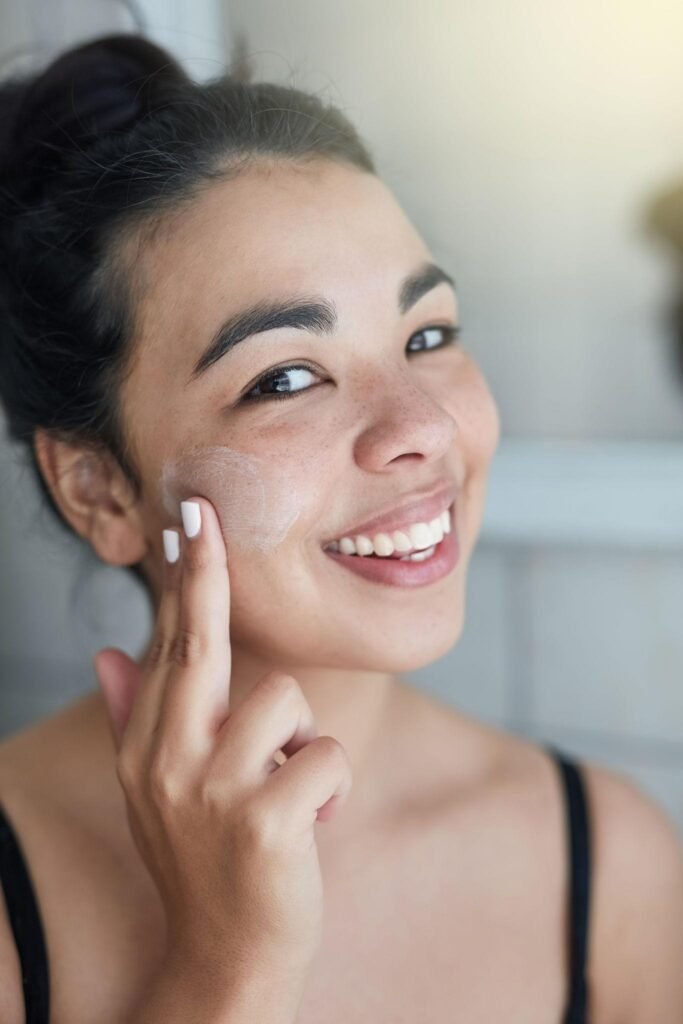
The skin constantly renews itself through a process known as cellular turnover. New skin cells form in deeper layers and gradually move toward the surface, replacing older cells that are shed away.
In youthful skin, this process happens relatively efficiently. However, several factors can slow skin renewal over time:
- Aging
- Sun exposure
- Environmental pollution
- Stress
- Hormonal fluctuations
- Poor skincare habits
When turnover slows, the skin may begin to show signs such as:
- Dullness
- Uneven texture
- Congested pores
- Fine lines
- Dark spots
- Loss of radiance
This is one reason retinoids continue to play such an important role in modern skincare.
What Is Tretinoin?
Tretinoin is a derivative of vitamin A and belongs to a class of compounds known as retinoids. Unlike many cosmetic ingredients that work only on the surface, tretinoin helps accelerate skin cell turnover and supports the skin’s natural renewal process. It has long been used in dermatology for acne treatment and is also widely recognized for its effects on skin texture, pigmentation, and visible signs of aging.
Because of its versatility, tretinoin is often incorporated into skincare routines designed to address multiple concerns simultaneously.
Why Tretinoin Has Become a Skincare Staple
The popularity of tretinoin extends far beyond a single skin concern.
Individuals commonly use tretinoin-focused routines to help improve:
Acne-Prone Skin
Acne frequently develops when pores become blocked by oil, dead skin cells, and debris. Increased cell turnover may help reduce congestion and support clearer-looking skin over time.
Uneven Texture
Many people notice roughness or irregular texture developing due to accumulated dead skin cells. Tretinoin helps encourage more consistent renewal, contributing to a smoother appearance.
Fine Lines and Wrinkles
As collagen production naturally declines with age, fine lines become more noticeable. Tretinoin is often included in anti-aging skincare routines because of its long-standing reputation for supporting healthier-looking skin.
Hyperpigmentation
Dark spots and uneven skin tone are common concerns caused by acne, sun exposure, or aging. Skin renewal plays an important role in helping these areas gradually fade over time.
What Makes 0.1% Strength Different?
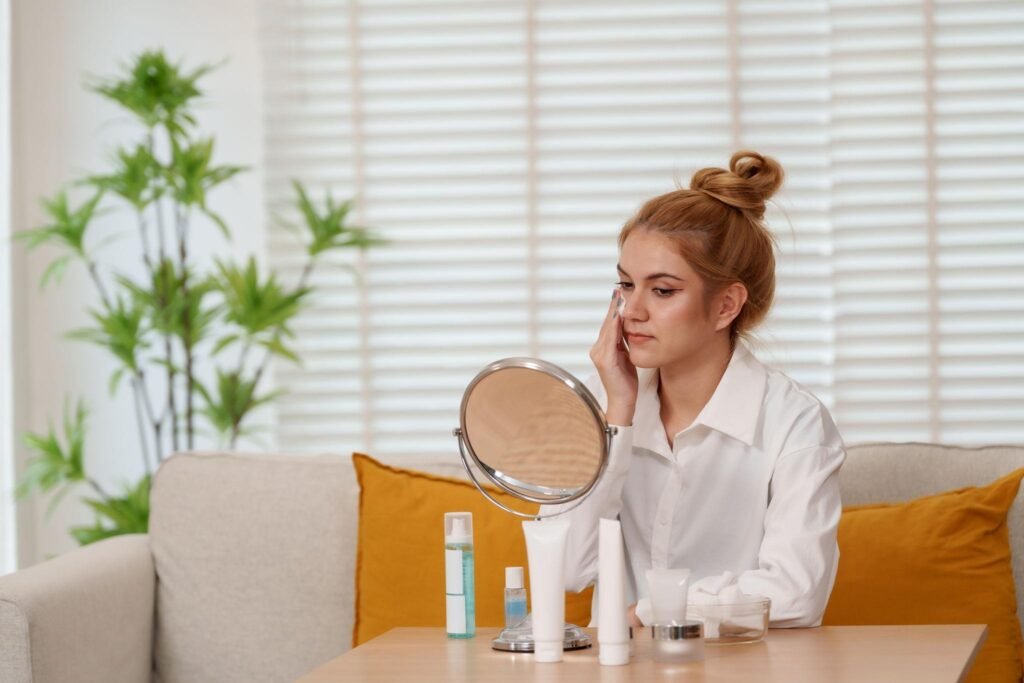
Not all tretinoin products contain the same concentration.
While lower strengths are commonly chosen by beginners, higher concentrations are often selected by individuals with previous retinoid experience.
Potential reasons experienced users explore stronger formulations include:
- More intensive skin renewal
- Advanced anti-aging goals
- Persistent acne concerns
- Long-term texture improvement
- Support for stubborn discoloration
Because higher concentrations are more potent, they are typically approached with patience and consistency rather than aggressive application.
The Importance of a Gradual Approach
One of the most common mistakes people make when introducing stronger skincare ingredients is using too much too soon.
Skin often requires an adjustment period when beginning tretinoin.
During this phase, some individuals may notice:
- Dryness
- Flaking
- Temporary redness
- Increased sensitivity
These reactions are often associated with the skin adapting to increased cellular turnover.
Many skincare enthusiasts find success by:
- Starting slowly
- Using gentle cleansers
- Applying moisturizer regularly
- Avoiding excessive exfoliation
- Maintaining sun protection
Consistency is usually more important than intensity.
Why Sunscreen Matters So Much
Any discussion about tretinoin should include sun protection.
As skin renewal accelerates, the skin may become more sensitive to ultraviolet exposure.
Daily sunscreen use can help:
- Protect skin health
- Reduce environmental damage
- Support treatment progress
- Minimize future pigmentation concerns
- Maintain long-term results
Many skincare professionals consider sunscreen one of the most important companions to any retinoid-based routine.
Building a Balanced Skincare Routine
Successful tretinoin users often focus on simplicity rather than complexity.
A balanced routine may include:
Gentle Cleansing
Removing dirt and excess oil without damaging the skin barrier.
Moisturization
Supporting hydration and reducing dryness associated with active ingredients.
Sun Protection
Maintaining daily SPF use regardless of weather conditions.
Consistency
Allowing the skin time to adapt and respond gradually.
Rather than constantly changing products, many people achieve better outcomes through patience and routine.
Choosing a High-Strength Tretinoin Product
As awareness of retinoids continues to grow, many individuals seek higher-strength formulations designed for advanced skin renewal.
One commonly selected option is Tretinoin 0.1% Cream, a high-strength tretinoin formulation frequently incorporated into skincare routines focused on acne management, texture refinement, pigmentation improvement, and long-term anti-aging goals.
For experienced retinoid users seeking a stronger approach to skin renewal, higher-concentration tretinoin products remain among the most recognized options available.
Common Mistakes to Avoid
Even highly respected skincare ingredients can produce disappointing results when used incorrectly.
Using Too Much Product
Applying larger amounts does not necessarily improve results and may increase irritation.
Skipping Moisturizer
Hydration plays an important role in maintaining skin comfort and barrier function.
Combining Too Many Active Ingredients
Using multiple strong products simultaneously may overwhelm the skin.
Expecting Immediate Results
Skin renewal is a gradual biological process that requires patience.
Long-Term Benefits of Skin Renewal
One reason tretinoin continues to remain popular after decades of use is its ability to address multiple concerns simultaneously.
Individuals often incorporate tretinoin into long-term skincare plans focused on:
- Clearer-looking skin
- Improved texture
- Enhanced radiance
- More even skin tone
- Reduction in visible signs of aging
- Overall skin confidence
Because these improvements develop gradually, consistency remains one of the most important factors in achieving meaningful results.
Final Thoughts
Few skincare ingredients have maintained the reputation and longevity of tretinoin. Its ability to support skin renewal, improve texture, and address a wide range of common concerns has made it a cornerstone of modern dermatology.
For experienced users seeking a more intensive approach, high-strength formulations continue to attract attention for their role in advanced skincare routines. Combined with proper hydration, patience, and daily sun protection, tretinoin remains one of the most trusted ingredients available for individuals pursuing healthier, smoother, and more youthful-looking skin.


